PENN & FASHION
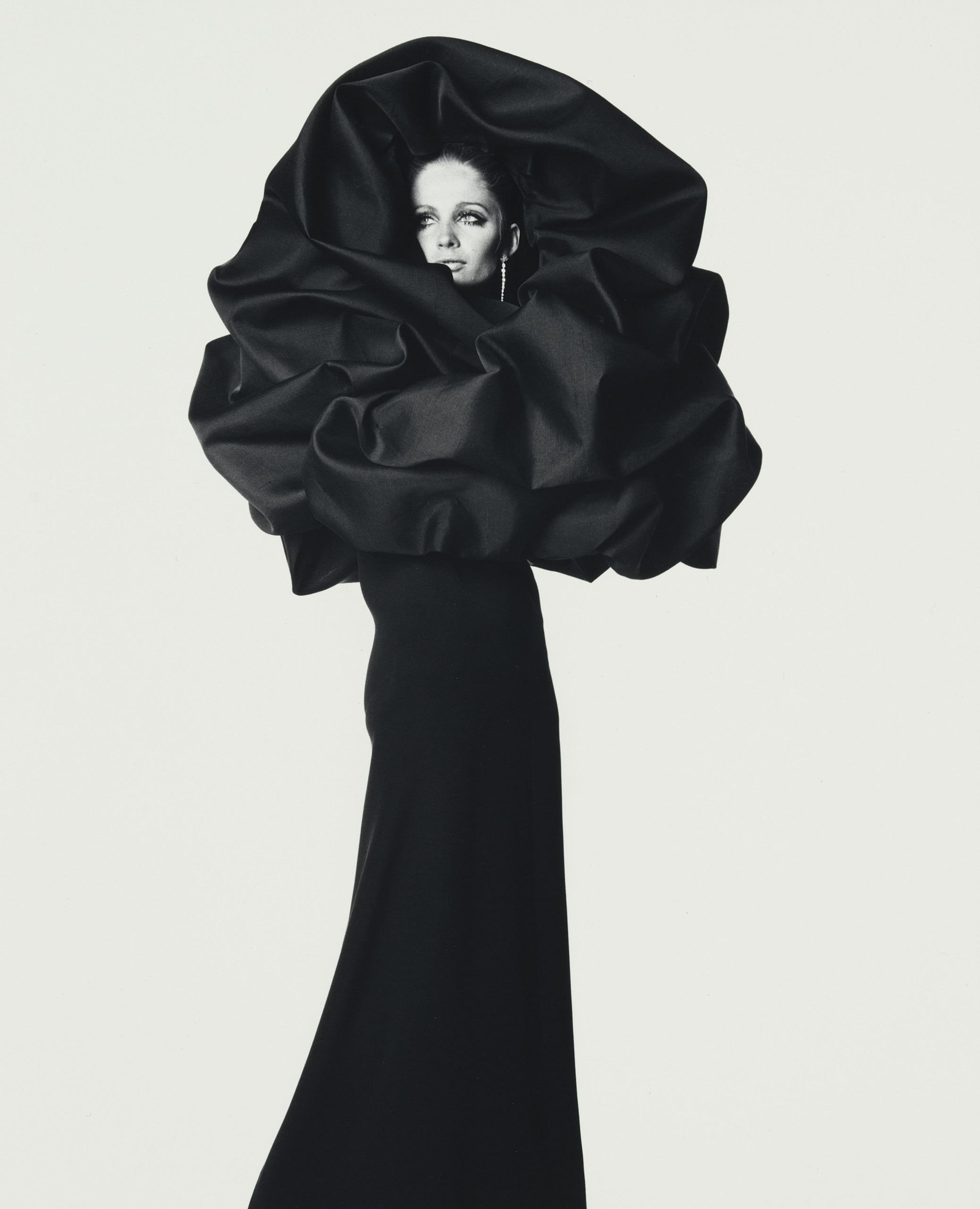
From 30 September 2026 to 17 January 2027, the MEP presents the exhibition PENN & FASHION, a tribute to Irving Penn, one of the most influential photographers of the twentieth century. With a body of work that was always ahead of its time, Irving Penn (1917, Plainfield – 2009, New York) left a profound mark on the history of fashion photography thanks to his collaboration with Vogue magazine spanning over sixty years. His refined aesthetic, like his exceptional mastery of composition, has influenced generations of photographers.
-
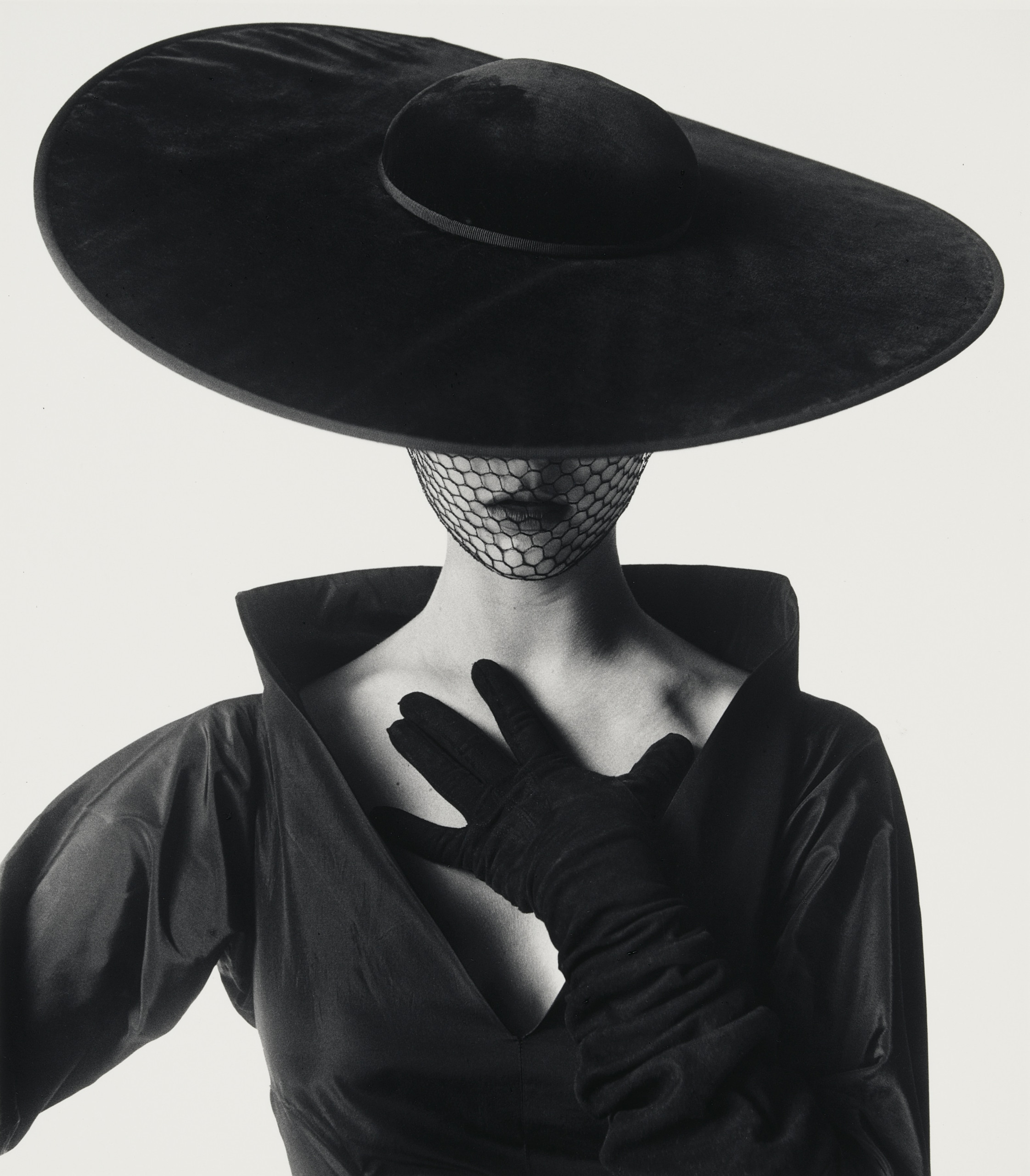
Irving Penn, Fashion Photograph (Jean Patchett), New York, 1949 Nicola Erni Collection, Zug © The Irving Penn Foundation -
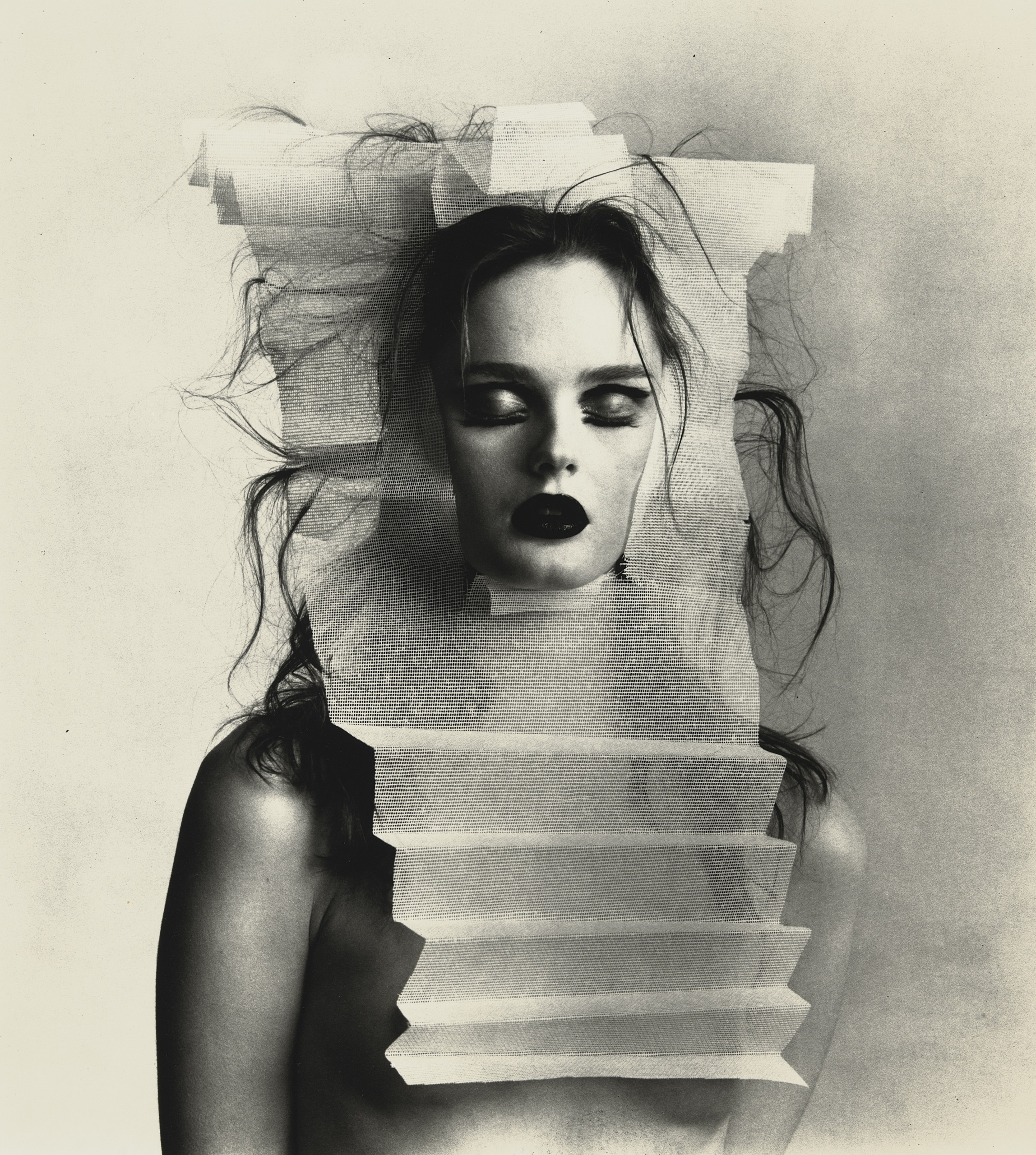
Irving Penn, Young Woman with Headdress, New York, 2005 Collection de The Irving Penn Foundation, New York © The Irving Penn Foundation -
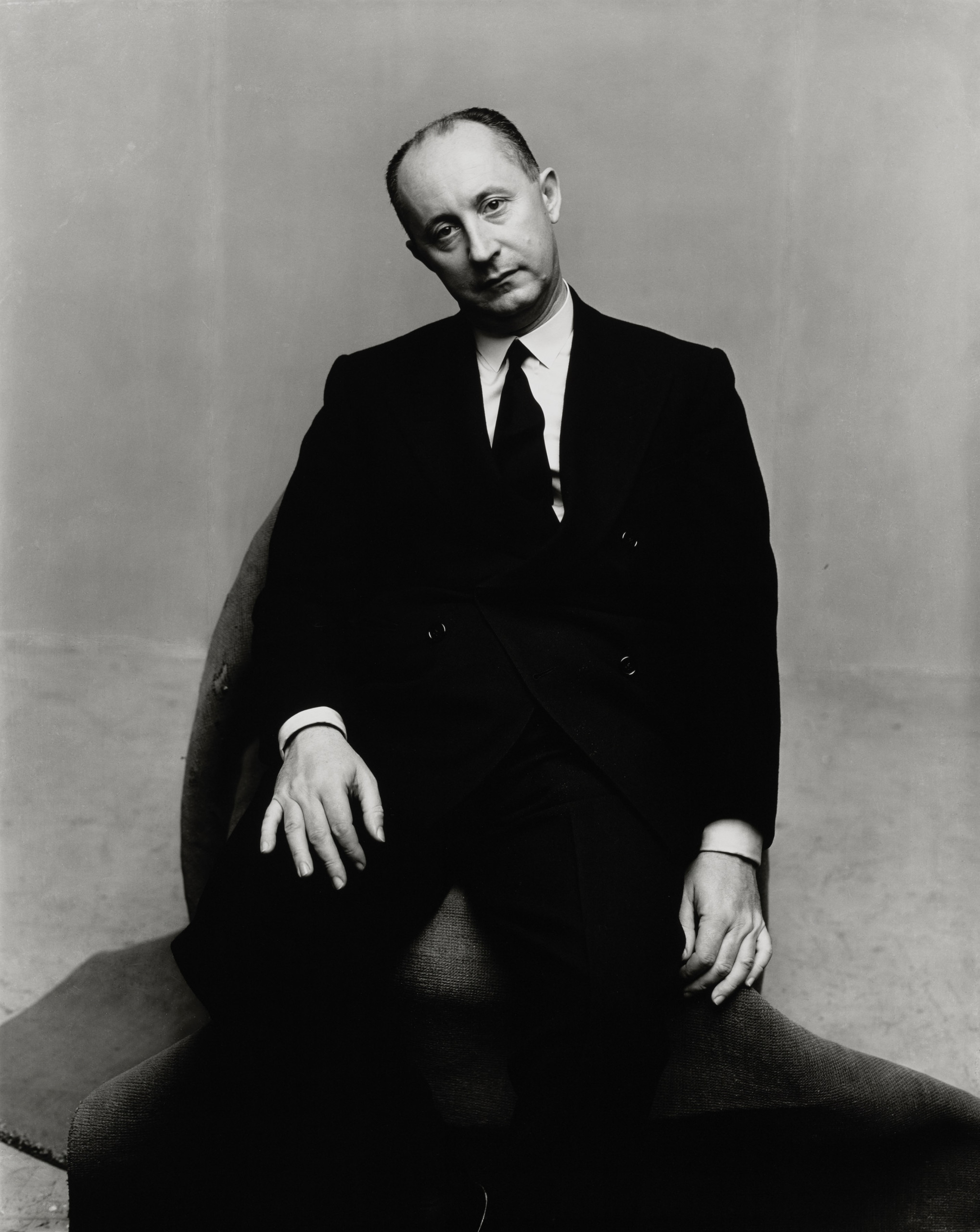
Irving Penn, Christian Dior, New York, 1947 © The Irving Penn Foundation MEP Collection, Paris. Acquired in 1992. -
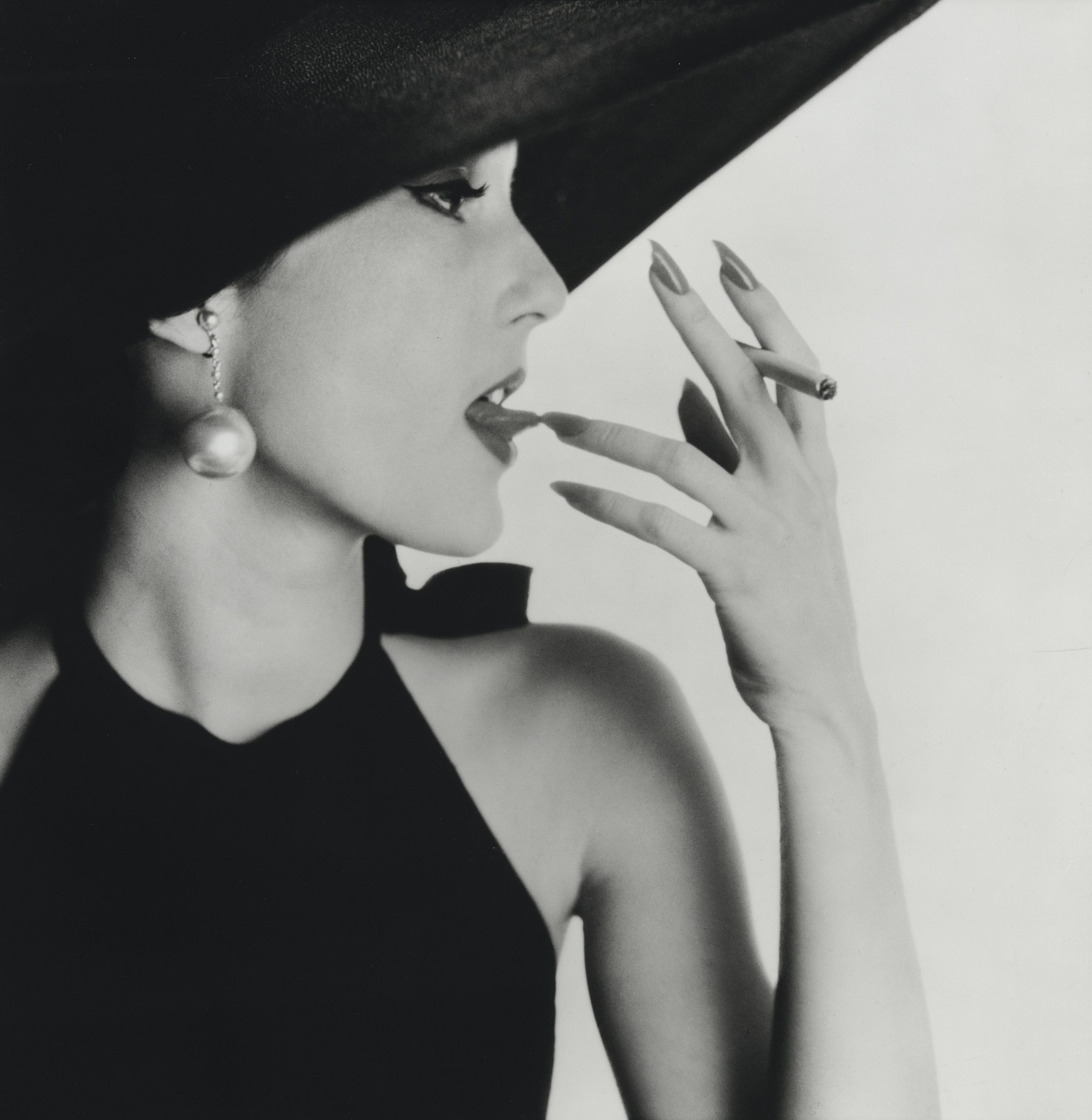
Irving Penn, Girl with Tobacco on Tongue (Mary Jane Russell), New York, 1951 Collection de The Irving Penn Foundation, New York © Condé Nast
The exhibition
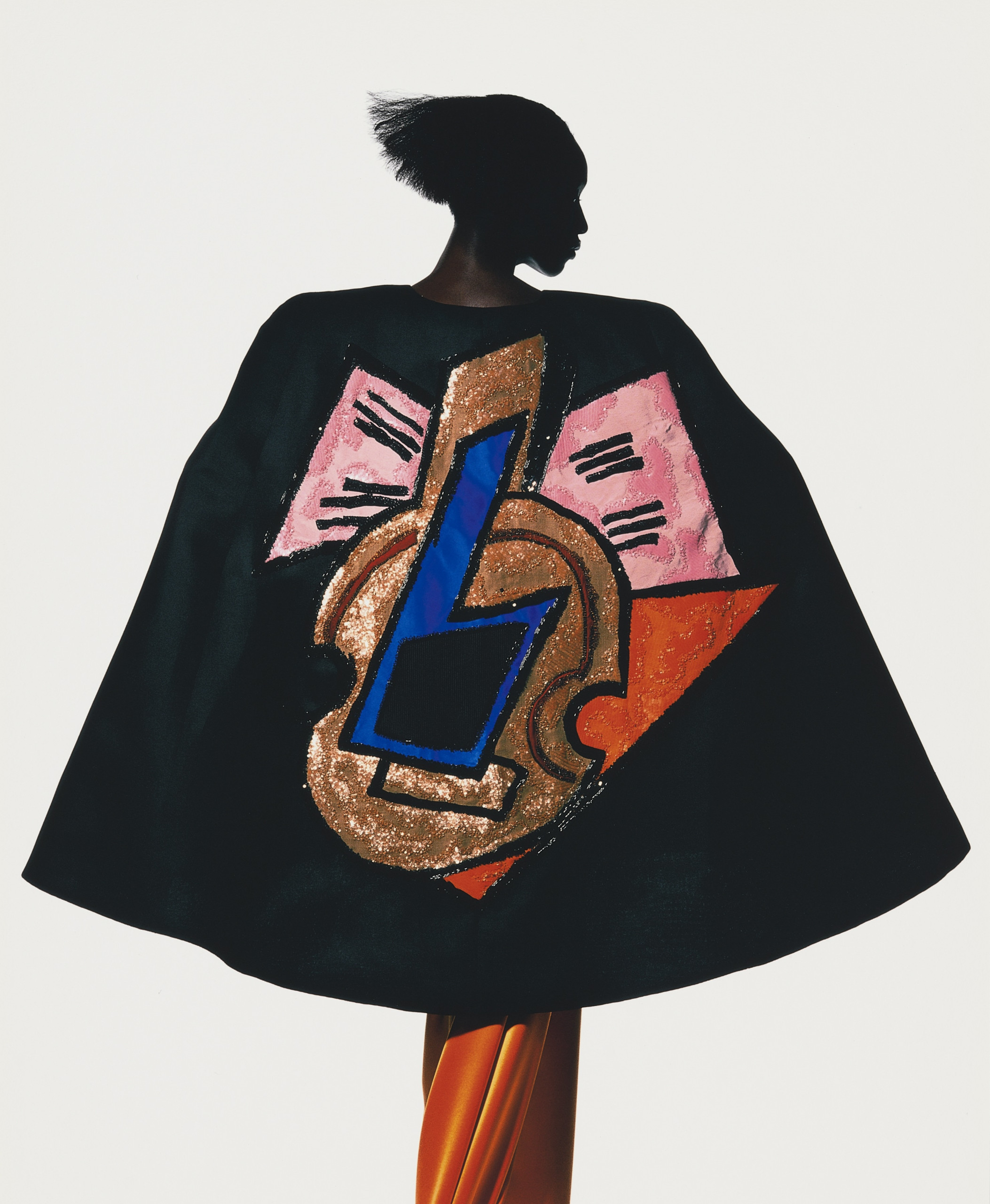
Braque-Inspired Design, Paris, 1988
Nicola Erni Collection, Zug
© Condé Nast
The exhibition unfolds chronologically, retracing Irving Penn’s career from 1947 to 2008. It begins in the 1950s, with the presentation of his legendary photographs of Parisian haute couture collections such as those of Dior and Balenciaga, brought to life by the era’s greatest models, including Lisa Fonssagrives and Jean Patchett. In the 1970s, the creations of Ungaro and Courrèges and the extravagant outfits worn by Marisa Berenson or Lauren Hutton caught the photographer’s eye, followed by those of Yves Saint Laurent and Karl Lagerfeld in the following decade.
The exhibition also presents Penn’s unprecedented collaboration with the Japanese designer Issey Miyake, whose sculptural garments perfectly complemented his minimalist photographic style.
Throughout the last three decades of his career, Penn maintained a consistent approach with an emphasis on the silhouette, volume, and texture. He captured in colour the sumptuous gowns designed by John Galliano and the opulent creations of Christian Lacroix, as well as Chanel’s spectacular feather headpieces, in breathtaking images.
Finally, his striking images for the beauty pages of Vogue magazine in the 1990s and 2000s bear witness to the creativity and modernity of an artist whose work has not yet been fully explored.
Always faithful to a demanding artistic vision, regardless of the context of the commission, Penn helped to bring art, fashion, and commerce together with unparalleled mastery. His work is characterised by an aesthetic of elegant simplicity. Each image is the result of a long process of reflection, culminating in timeless compositions created using sophisticated printing techniques, many of which have become icons in the history of photography.
The exhibition is drawn primarily from the collections of the MEP and that of Nicola Erni. Assembled over the last twenty-five years, the latter is now one of the most extensive and remarkable collections dedicated to fashion photography, covering the period from the 1930s to the present day.
The exhibition also benefits from numerous exceptional loans from The Irving Penn Foundation and the Miyake Issey Foundation.
Braque-Inspired Design, Paris, 1988
Nicola Erni Collection, Zug
© Condé Nast
The artist
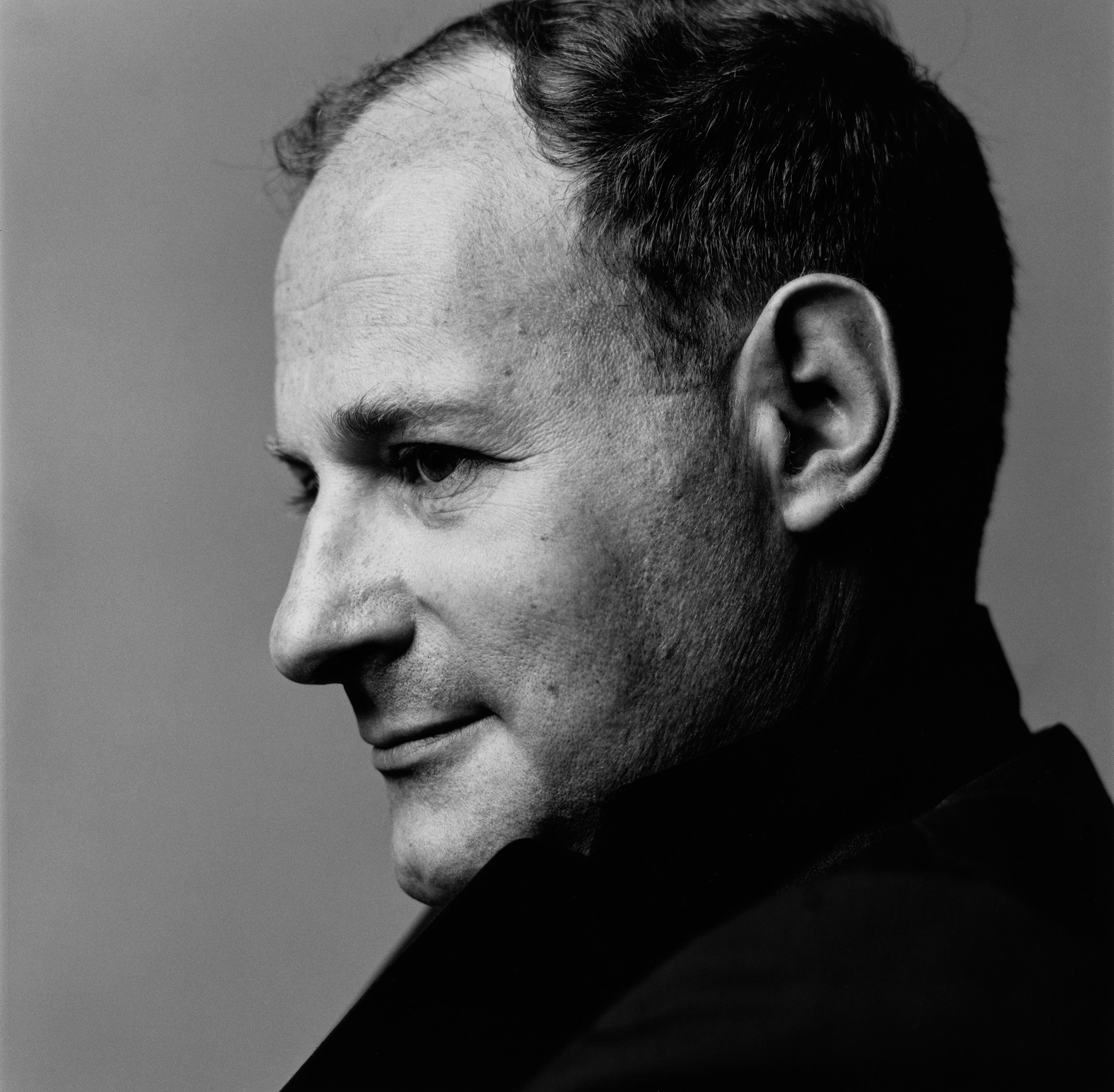
Irving Penn was an American photographer born in 1917 into a family of Russian origin. He studied at the Pennsylvania Museum School of Industrial Arts from 1934 to 1938, where he trained under Alexey Brodovitch in his Design Laboratory. Following a year of painting in Mexico, Penn returned to New York and was hired in 1943 by Vogue’s new art director, Alexander Liberman, to prepare layouts and suggest ideas for covers to the magazine’s photographers. Recognising in him “a mind, and an eye that knew what it wanted to see,” Liberman urged Penn to take the photographs himself.
In 1948, as the aspiring photographer was building a reputation with his eyecatching still lifes and portraiture, Liberman sent Penn to Peru for a fashion assignment in Lima. Once his task in Lima was complete, Penn traveled to Cuzco where he produced an extensive series of portraits of the ancient city’s inhabitants. This formative experience confirmed Penn’s preference for the controlled environment of the studio, where he could eliminate anything that was not essential to his compositions and focus solely on his subject.
Parallel to his obligations for Vogue, Penn embarked on a personal project in the summer of 1949 photographing corpulent nudes and experimenting with their printing through the use of bleach and redevelopment techniques. A year later, Penn traveled to Paris to photograph the haute couture collections and begin his Small Trades series. The resulting images were published as extensive portfolios in Vogue magazine. Many of the fashion photographs feature Lisa Fonssagrives, a remarkable model whom Penn married in London immediately after their work together in Paris was complete.
From 1964 to 1971, Penn travelled extensively for Vogue, producing photographic essays on Japan, Crete, Spain, Dahomey, Nepal, Cameroon, New Guinea, and Morocco. In 1973, he closed his Manhattan studio and immersed himself in platinum-palladium printing in the darkroom he built on his family’s Long Island farm. This experience led him to create three of his most iconic series: Cigarettes (1972); Street Material (1975); and Archaeology (1979–80); respectively exhibited in New York at The Museum of Modern Art in 1975, The Metropolitan Museum of Art in 1977, and Marlborough Gallery in 1982.
In 1983, Penn re-opened a studio in Manhattan and resumed a schedule of commercial work and magazine assignments. The following year, he was honored with a retrospective curated by John Szarkowski at The Museum of Modern Art, which toured internationally until 1989. After the retrospective, Penn resumed painting and drawing as a creative pursuit, He also found artistic freedom through his thirteen year collaboration with the fashion designer Issey Miyake.
Penn’s creativity flourished during the last decades of his life. His innovative portraits, still life, fashion, and beauty photographs continued to appear regularly in Vogue. Determined to shape the body of work he left behind from such a prolific career, he donated his professional archives to the Art Institute of Chicago in 1995 and established The Irving Penn Foundation in 2005.
Penn died in New York in 2009 at the age of 92.
Partners
Institutional partner of the MEP
This exhibition has been certified Bicentenaire de la photographie
Patrons of the MEP


Patron of the Season

Media partners of the Season