21 June - 15 October 2006

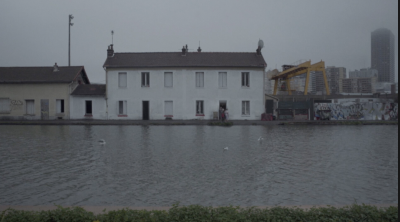
Before I started working on urban landscapes, I was interested in photojournalism; my points of reference were photographers such as Bill Brandt and Eugene Smith. But as time went by it was space that really caught my attention. The theme of space gradually replaced those of 'events' and 'Man', and seemed quite willing to take up the baton. 'Place' is where 'space' has its home. The photographic culture my generation referred to was full of myths and widely recognized common models, such as Breton's 'decisive instant'. Slowing down vision was a minor revolution for me; it was also a return to the past, to a time when photographers, for technical reasons, used slow film and big cameras on tripods. They could only represent the world in a static way. But 'slowness of vision', in tune with photography of place, has become much more than this. It's more of a philosophical, existential attitude which means we can try and find possible 'meaning' in the outside world. When the photographer's vision extends and dilates as it contemplates the physically delimited urban landscape, it's only natural for people, groups and even traffic to be absorbed into that landscape, in the distance; this has always been the case since the beginnings of photography, and even before it, in genre painting. SInce its invention, photography has been an effective way of measuring the world. And even when advances in the field of art have called into question its effectiveness as a documentary medium, it has never completely freed itself from its symbolic value as a way of recording what is. I think that since the world started moving fast, reality and images of the world have overlapped and blended into an almost inextricable unit. At a certain point in history, the world began to coincide `with its own image.

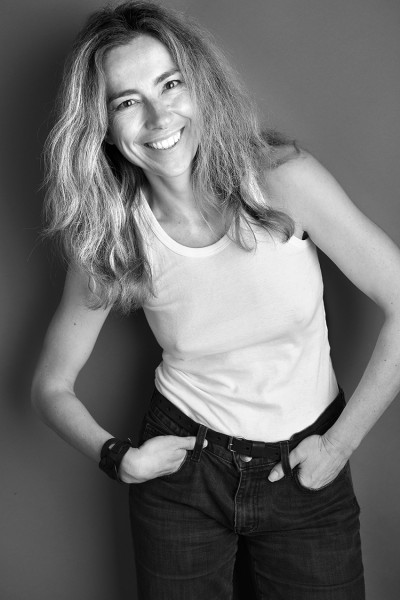
Gabriele Basilico

Exhibition sponsored by Alcatel.